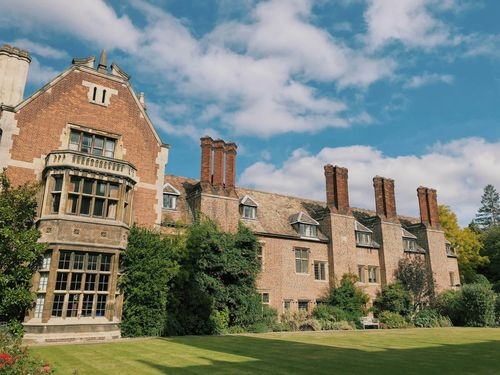
In particular, the UK’s well-established healthcare system and globally recognised qualifications make it an ideal destination for students aiming to build a long-term career in medical and allied health professions. With structured clinical training, clear licensing pathways, and strong employment prospects, physiotherapy stands out as a degree that offers both stability and purpose.
This guide provides a comprehensive overview of UK physiotherapy studies, including entry requirements, top universities, professional recognition, and long-term career prospects for 2026 applicants.
Why Study Physiotherapy in the UK?
The UK is widely recognised for its strong healthcare education system, particularly in allied health professions like physiotherapy. There are several key advantages:
1. Globally Recognised Qualifications
Most physiotherapy programmes in the UK are accredited by the
Health and Care Professions Council (HCPC) and the
Chartered Society of Physiotherapy (CSP).
This means graduates are eligible to register and practise in the UK, and these qualifications are also widely recognised internationally, including in Hong Kong. This international portability is especially valuable for students who may wish to explore opportunities in multiple regions throughout their careers.
2. Strong Clinical Training
UK physiotherapy degrees include extensive clinical placements, typically over 1,000 hours. Students gain hands-on experience in hospitals, rehabilitation centres, and community care settings, which is essential for professional development.
This early exposure to real patients not only builds technical skills but also develops confidence, communication ability, and clinical judgement — all of which are highly valued by employers.
3. Flexible Career Pathways
After graduation, students can either:
- Stay in the UK and work in the NHS
- Return to Hong Kong for professional registration
- Explore opportunities in private healthcare or sports therapy
This flexibility allows students to adapt their career plans depending on personal goals, lifestyle preferences, and market conditions.
Entry Requirements for UK Physiotherapy
1. Undergraduate (BSc Physiotherapy)
For students applying directly after HKDSE:
Academic Requirements:
- HKDSE: Around 554 to 5*55 depending on the university
- A-Level: Around AAB
- Required subjects: Biology, Chemistry, Physics, or Mathematics (at least two preferred)
English Requirements:
- IELTS: 6.5–7.0 (often with minimum 6.5 in each component)
2. Postgraduate (MSc Physiotherapy – Pre-registration)
This route is suitable for students who already hold a bachelor’s degree in a related field.
Requirements:
- A 2:1 or 2:2 degree in subjects such as Biology, Sports Science, or Health Sciences
- IELTS 7.0 or above
- Interview (required by many universities)
These programmes usually take 2 years and allow students to qualify as physiotherapists even if their first degree was not in physiotherapy. This pathway is increasingly popular among students who decide on a healthcare career later in their academic journey.
3. Additional Application Factors
- Beyond grades, universities also look for:
- A strong personal statement showing motivation for healthcare
- Work or volunteer experience (e.g. hospital shadowing, elderly care)
- Communication and interpersonal skills
Demonstrating genuine interest in patient care and understanding the role of physiotherapy can significantly strengthen your application.
Best Universities for Physiotherapy in the UK
If you are wondering “which university is best for physiotherapy in the UK”, here are some well-regarded options:
- University of Birmingham
- King’s College London
- University of Southampton
- University of Liverpool
- Glasgow Caledonian University
These institutions offer accredited programmes with strong clinical training and excellent graduate employability. Many of them also have long-standing partnerships with NHS trusts, ensuring high-quality placement opportunities and industry exposure.
When choosing a university, students should not only consider rankings but also factors such as placement availability, teaching style, campus environment, and support for international students.
What Do You Study in Physiotherapy?
Physiotherapy is a science-based healthcare discipline. Core subjects include:
- Anatomy and human structure
- Physiology and body systems
- Biomechanics and movement analysis
- Neurological rehabilitation
- Musculoskeletal therapy
Students also learn:
- Patient assessment techniques
- Treatment planning
- Clinical communication skills
Career Prospects After Graduation
1. Employment Opportunities
Graduates can work in:
- Public hospitals (NHS or Hong Kong public sector)
- Private clinics
- Sports teams and fitness organisations
- Rehabilitation centres
- Elderly care services
2. Salary Expectations
Hong Kong:
- Starting salary: around HKD 30,000–40,000+
- Private sector salaries can be higher depending on experience
3. Long-term Development
Physiotherapy offers strong career progression. You may specialise in:
- Sports physiotherapy
- Neurological rehabilitation
- Paediatric physiotherapy
- Private practice or clinic ownership
With experience, physiotherapists can also move into senior clinical roles, research, teaching, or healthcare management positions.
Returning to Hong Kong for Professional Registration
For many students, if the goal is “studying physiotherapy in the UK and returning to Hong Kong”. Here’s how the process works:
Step 1: Complete an Accredited Degree
- You must graduate from a programme recognised by HCPC and CSP.
Step 2: Complete Clinical Placement Hours
- Most UK programmes include over 1,000 hours of supervised clinical training.
Step 3: Register with HCPC (UK)
- After graduation, you apply for registration with the
Health and Care Professions Council. - This confirms you are a qualified physiotherapist in the UK.
Step 4: Apply for Hong Kong Registration
You then apply to the Hong Kong Physiotherapists Board by submitting:
- Academic transcripts
- Proof of clinical training
- Professional qualifications
If your degree meets the requirements, you can register and practise in Hong Kong. In some cases, additional documentation or verification may be required, so early preparation is recommended.
Tips for 2026 Applicants
If you are planning to apply in 2026, here are some key strategies:
1. Prepare English Early
- Aim for IELTS 7.0 to stay competitive
2. Gain Relevant Experience
- Hospital observation
- Volunteering in elderly or rehabilitation centres
3. Choose Accredited Programmes Only
- This is crucial if you plan to return to Hong Kong
4. Apply Early
- Physiotherapy is competitive, and places fill quickly
Conclusion
Studying physiotherapy in the UK is a highly structured and rewarding pathway that combines academic knowledge with practical training. For Hong Kong students, it offers the added advantage of international exposure while still allowing a smooth return home for professional practice.
As healthcare demand continues to grow globally, qualified physiotherapists are expected to remain in high demand, offering strong job security and meaningful career progression. By choosing the right accredited programme, meeting academic and English requirements, and planning ahead for registration, you can position yourself for long-term success in this dynamic and impactful profession.